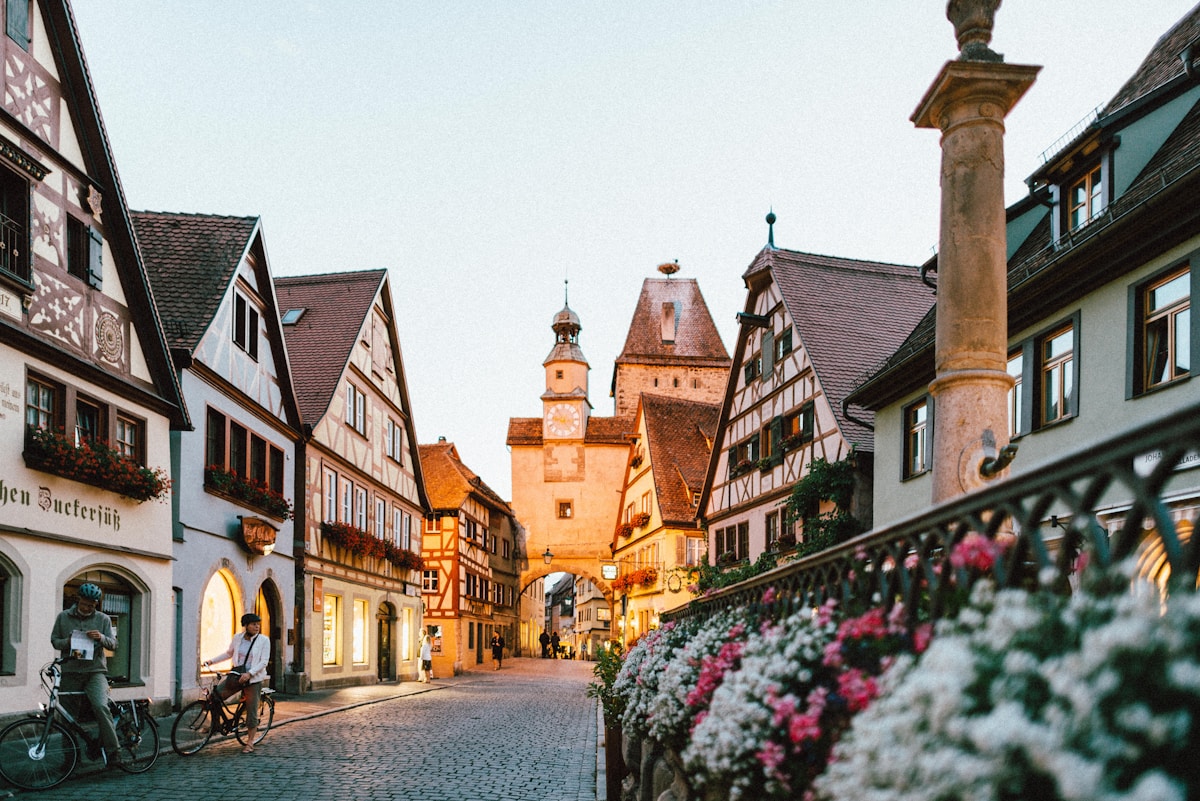
Travel insurance for Germany from Latin America. German medical costs are among the highest in Europe. Protect yourself from $2.99 USD/day.
# Travel Insurance for Germany from Latin America: Guide and Prices
## Introduction: Germany enchants you, but its medical costs are unforgiving
Planning a trip to Germany from Latin America is exciting: castles, beer, museums, cutting-edge technology. The problems arise when you ask yourself: what if I get sick in Berlin? How much does an ambulance cost in Munich? Does my credit card really cover me? Do I need insurance for a Schengen Visa if I am Dominican or Ecuadorian? The reality is that the German healthcare system is excellent, but expensive for tourists. This guide explains, in clear language and with real figures, why travel insurance for Germany is key, what Schengen requires, how to act in an emergency, and which Baraglo plan to choose to protect your budget.
> Tip for Latins: Although many enter the Schengen area without a visa, travel insurance with a minimum coverage of €30,000 prevents you from paying out-of-pocket for costs that can quickly add up in Germany.
## Germany: Europe's most expensive country for medical emergencies
Germany has one of the best healthcare systems in the world, but also one of the most expensive for tourists. Berlin, Munich, Frankfurt, and Hamburg are increasingly popular destinations among Latin Americans.
### Medical costs in Germany
| Service | Cost |
|---|---|
| Notaufnahme (Emergency room) | €300 – €700 |
| Hospitalization per night | €1,200 – €3,500 |
| Emergency surgery | €10,000 – €40,000 |
| Rettungswagen (Ambulance) | €500 – €1,500 |
| Doctor's consultation (Arztpraxis) | €100 – €300 |
| Repatriation to Latin America | €15,000 – €70,000 |
> 💡 Germany has the highest hospital costs in the Eurozone. One day in ICU can exceed €5,000.
### Main risks in Germany
1. Accidents on the Autobahn — Highways without speed limits
2. Winter sports — Skiing in the Bavarian Alps (Garmisch-Partenkirchen)
3. Oktoberfest — Alcohol intoxication, falls, fights
4. Hypothermia in winter — Sub-zero temperatures
5. Bicycle accidents — Berlin and Munich are very bike-friendly
## Do I need a visa for Germany? Schengen Rules for LATAM
Germany is part of the Schengen area. The key rule: travel insurance for Germany is mandatory only if you need a visa. If you enter without a visa, insurance is not a legal requirement, but it is highly recommended due to medical costs.
- No visa required (tourism up to 90 days): Colombia, Mexico, Argentina, Chile, Brazil, Peru
- Visa required (insurance mandatory): Dominican Republic, Ecuador, Cuba, Bolivia
If you apply for a Schengen Visa, your policy must:
- Have a minimum coverage of €30,000 for emergency medical expenses.
- Include medical repatriation.
- Be valid in all Schengen countries and for your entire stay.
For those traveling without a visa, airlines and some accommodations may suggest a policy; it is not a legal requirement, but it is a smart financial decision.
To see plans that comply with regulations, get a quote at [travel insurance for Europe](/seguro-viaje-europa?utm_source=blog&utm_medium=article&utm_campaign=blog-relinked-v2).
## How healthcare works in Germany for tourists
The German system is efficient and orderly, but as a tourist, you may encounter processes different from those in your home country:
- Emergencies (Notaufnahme): If you have severe pain, high fever, a fracture, a deep cut, or serious symptoms, go directly to a hospital emergency room. You will be asked for identification, and if you do not present insurance, they may request payment or a credit card guarantee.
- Outpatient consultations (Arztpraxis): For minor problems (flu, allergies, earache), you go to a general medical consultation. Many work by appointment; some accept “sprechstunde” (open consultation hours).
- Ambulance (112): The European emergency number. It is fast and professional, but expensive for tourists without insurance.
- Pharmacies (Apotheke): Pharmacists provide guidance and sell over-the-counter medications; antibiotics require a prescription.
- Language: Spanish is rare in clinics; English is more common in large cities. Your Baraglo policy includes 24/7 assistance in Spanish to coordinate and translate with the hospital.
With active travel insurance for Germany, Baraglo can:
- Guide you to the appropriate center based on your case and location.
- Issue payment guarantees to participating hospitals.
- Coordinate medical transfers and, if applicable, repatriation.
## Real scenarios: how much it costs in Germany and how insurance protects you
Imagine these common situations among Latin American travelers:
| Scenario | Estimated Cost in Germany | How Baraglo Helps |
|---|---|---|
| Bicycle fall in Berlin with stitches and X-ray | €300 – €900 | 24/7 assistance, referral to clinic, coverage for emergency medical expenses up to your plan's limit. |
| Sprained knee while skiing in Garmisch (MRI and splint) | €800 – €2,500 | Medical coverage and coordination with referral hospital; Premium plan includes non-professional sports. |
| Severe gastroenteritis during Oktoberfest (emergency and IV fluids) | €400 – €1,200 | Emergency care and prescribed medications; linguistic support. |
| Pneumonia with 3-night hospitalization | €3,600 – €10,500 | Hospitalization covered up to the contracted limit; medical follow-up and possibility of transfer if required. |
| Ambulance from hotel to hospital | €500 – €1,500 | Ambulance management and service coverage according to your plan. |
| Medical repatriation to LATAM after accident | €15,000 – €70,000 | Comprehensive logistical coordination and repatriation coverage included in plans for Europe. |
Note: Coverage applies to sudden and unforeseen events, according to the specific conditions of the plan. Keep invoices and medical reports for any reimbursement.
## Baraglo Plans for Germany (Schengen compliant)
Adjust your Germany travel insurance to your itinerary, activities, and duration. All these plans meet the minimum €30,000 requirement and are valid in the Schengen area.
| Plan | Medical Coverage | Price/day | Notes |
|---|---|---|---|
| Standard Europe | €30,000 / USD 35,000 | from $4.99 | Complies with Schengen Agreement |
| Essential Plus | €45,000 / USD 50,000 | from $5.29 | Recommended for long trips |
| Premium Europe | €90,000 / USD 100,000 | from $8.99 | Maximum coverage, sports included |
> ⚠️ The Basic Plan (USD 20,000) **does not meet** the minimum €30,000 required by the Schengen Visa and is not offered for Europe.
How to choose:
- Short urban trip (Berlin/Hamburg, 7–10 days): Standard Europe is usually sufficient.
- Route through several cities and trains (14–21 days): Essential Plus offers extra margin and peace of mind.
- Winter in the Bavarian Alps, high-risk activities, or long stays: Premium Europe due to its limits and included sports.
Need to leave in 10 minutes? Buy and receive your digital policy with [Travel Safe Fast](/seguro-viaje-europa?utm_source=blog&utm_medium=article&utm_campaign=blog-relinked-v2).
## Steps to use your insurance in Germany (and save time and money)
1. Before traveling:
- Save your policy on your phone and email. Write down the 24/7 assistance number.
- Review exclusions (extreme sports, alcohol, pre-existing conditions).
- If you are processing a Schengen Visa (Dominican Republic, Ecuador, Cuba, Bolivia), print the certificate of coverage with validity for your entire stay.
2. In an emergency:
- If there is a life-threatening risk, call 112 immediately. Then contact Baraglo to activate assistance.
- For non-critical cases, call Baraglo first. We will tell you the closest and most appropriate center.
- Present your policy at the reception. In many cases, we manage direct payment guarantees.
3. If you pay in advance:
- Keep detailed invoices, medical reports, prescriptions, and payment receipts.
- Take photos of hospital wristbands or plates with center details.
4. Reimbursements and follow-up:
- Send scanned documents and your IBAN or account for reimbursement.
- Maintain communication with Baraglo's medical and claims team until discharge.
5. Transfer or repatriation:
- If the treating doctor recommends transfer, Baraglo coordinates logistics, airlines, medical escort, and authorizations.
## Practical tips for Latins in Germany
- Climate: In winter, the wind chill can be very low; protect yourself to avoid hypothermia. In summer, hydrate and use sunscreen.
- Transportation: Respect traffic lights and bike lanes. Fines for fare evasion on trains can exceed €60.
- Cash and payments: Many small clinics accept cards, but have some cash for neighborhood pharmacies.
- Medical language: Useful words: Schmerz (pain), Fieber (fever), Unfall (accident), Apotheke (pharmacy), Rezept (prescription).
- Documents: Carry your passport and policy. For the police or insurance, a simple report can speed up reimbursements.
- Road safety: Autobahns with no speed limit in sections increase the risk of accidents; always wear a seatbelt and avoid driving when tired.
## Germany vs. other European destinations: why insurance pays off more?
While all of Western Europe is expensive for healthcare, Germany stands out for: - Higher hospital rates per night of hospital and ICU stay. - Large influx of tourism during mass events (Oktoberfest, fairs in Frankfurt) that saturate emergency rooms. - A wide network of excellent clinics (Charité, UKE), with fees commensurate with their level.
For the Latin American traveler, this means that the return on investment of travel insurance for Germany is among the highest on the continent: a single visit to the emergency room can justify the cost of the entire policy.
## Reference hospitals
- Charité — Berlin, one of the largest hospitals in Europe
- Klinikum rechts der Isar — Munich
- Universitätsklinikum — Frankfurt
- UKE (Universitätsklinikum Hamburg-Eppendorf) — Hamburg
Contact Baraglo before heading to a center to confirm admission and, if possible, activate a payment guarantee.
## The language barrier
In Germany, most medical staff speak German as their primary language. Although large hospitals have staff who speak English, Spanish is rare. Your Baraglo insurance includes 24/7 phone assistance in Spanish that can coordinate with the hospital and translate.
## Protect yourself from $2.99 USD/day
Germany is the European country where travel insurance has the highest return on investment due to its high medical costs.
> Note: To enter Germany and comply with Schengen, eligible plans start “from $4.99” per day (see plans table). The price “from $2.99” applies to other routes outside Europe/Schengen.
[Get a quote for your insurance for Germany →](/seguro-viaje-europa?utm_source=blog&utm_medium=article&utm_campaign=blog-relinked-v2)
## Frequently asked questions: travel insurance Germany
### Is insurance mandatory to enter Germany?
- If you are from the Dominican Republic, Ecuador, Cuba, or Bolivia and are applying for a Schengen Visa, yes: you need a policy with a minimum of €30,000 and repatriation, valid for your entire stay.
- If you are from Colombia, Mexico, Argentina, Chile, Brazil, or Peru and enter without a visa, it is not a legal requirement. However, it is highly recommended due to medical costs in Germany and sometimes it is requested for accommodation or activity procedures.
### What is the minimum coverage accepted by the Schengen Visa?
The rule requires at least €30,000 in emergency medical expenses and medical repatriation, valid in all Schengen countries throughout your visit. Our Standard Europe, Essential Plus, and Premium Europe plans meet this minimum.
### Can my credit card serve as insurance in Germany?
Some cards include “travel assistance,” but:
- They do not always reach €30,000.
- They may require the purchase of the ticket with that card.
- Sometimes they have deductibles or slow reimbursements.
- Consulates request a certificate with your name, dates, and insured amount.
Check with your bank and, if they do not issue a letter with minimum coverage and validity, purchase a dedicated policy. With Baraglo, you can issue a Schengen certificate in minutes from [travel insurance for Europe](/seguro-viaje-europa?utm_source=blog&utm_medium=article&utm_campaign=blog-relinked-v2).
### What do I do if I have an emergency and don't speak German?
- Call 112 if it's serious.
- Contact Baraglo 24/7: we will assist you in Spanish, locate the most suitable center (for example, Charité in Berlin or rechts der Isar in Munich), and coordinate admission/payment guarantee.
- Carry identification and your policy on your phone.
### Does insurance cover skiing, snowboarding, and situations at Oktoberfest?
The Premium Europe plan includes non-professional sports, such as recreational skiing on authorized slopes. It applies to sudden accidents according to the policy conditions. Keep in mind:
- Off-piste or high-risk activities may require specific endorsement.
- Incidents under the influence of alcohol are usually excluded in the insurance industry.
- Verify your plan before traveling and inquire if you have any questions.
## End your trip with peace of mind: choose your insurance in minutes
Don't let an emergency in Germany cost you thousands of euros. Protect your health and your wallet with a Schengen-compliant policy, Spanish assistance, and direct coordination with leading hospitals. [Travel insurance for Europe](/seguro-viaje-europa?utm_source=blog&utm_medium=article&utm_campaign=blog-relinked-v2) | Express purchase: [Travel Safe Fast](/seguro-viaje-europa?utm_source=blog&utm_medium=article&utm_campaign=blog-relinked-v2) | Read more on the blog: [/blog/visa-schengen-seguro-viaje](/seguro-viaje-europa?utm_source=blog&utm_medium=article&utm_campaign=blog-relinked-v2)
Ready to travel stress-free! [Get a quote for your insurance for Germany from $4.99/day](/seguro-viaje-europa?utm_source=blog&utm_medium=article&utm_campaign=blog-relinked-v2)
 Baraglo