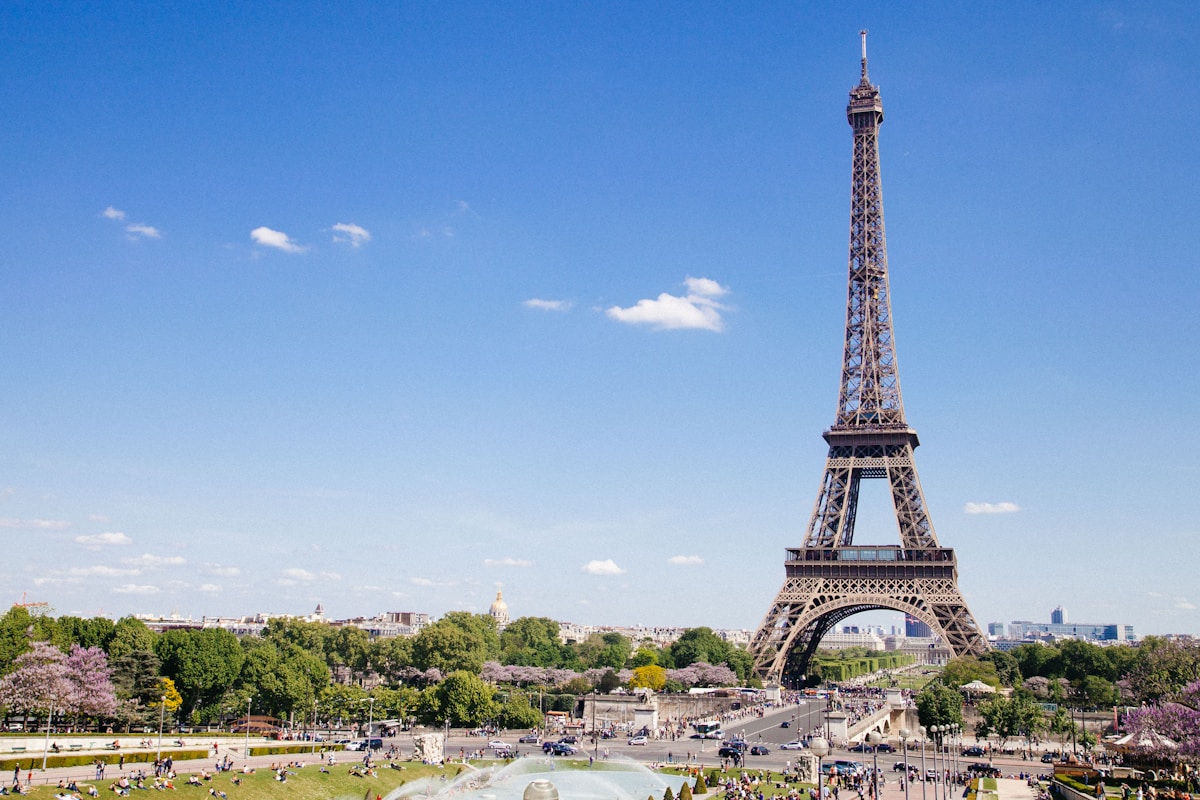
Travel insurance guide for traveling to France from Latin America. Medical costs in Paris, requirements, and how to protect yourself with coverage starting from $2.99/day.
# Travel Insurance for France from Latin America: Complete Guide
## Traveling to France from Latin America: Protect your trip
We dream of photos in front of the Eiffel Tower, a picnic in the Luxembourg Gardens, or a wine tour in Bordeaux. But the headache comes when a cold turns into bronchitis, your cell phone is stolen on the metro, or a fall on stairs leaves you with a fractured ankle. In France, healthcare is top-notch, but for tourists, it's not free, and costs add up quickly. The solution for traveling with peace of mind is clear: get France travel insurance that will support you medically and financially, with real assistance in Spanish and valid coverage throughout the European Union.
Consider these real scenarios:
- You get gastroenteritis after trying seafood in Marseille: emergency room + medication can exceed €350.
- You fall in Montmartre and need your ankle immobilized: ambulance and x-rays can cost over €800.
- Skiing in Chamonix: a knee injury requiring surgery can reach €20,000–€30,000.
With good France travel insurance, these expenses are covered, and you'll have a 24/7 team guiding you in your language.
## Do I need a visa for France?
It depends on your nationality:
- Visa-free: Colombia, Mexico, Argentina, Chile, Brazil, Peru, Costa Rica, Panama, Uruguay. They travel as tourists for up to 90 days within 180-day periods. For them, insurance is not mandatory, but highly recommended.
- With a Schengen visa: Dominican Republic, Ecuador, Cuba, Bolivia. In these cases, insurance is MANDATORY and must meet specific requirements.
> Important: if your passport requires a Schengen visa (DR, Ecuador, Cuba, Bolivia), immigration can deny you entry if you do not present adequate insurance with a minimum coverage of €30,000, valid throughout the Schengen area, and including repatriation.
> If you travel visa-free (Colombia, Mexico, Argentina, Chile, Brazil, Peru, etc.), insurance is not an entry requirement, but it is the most effective way to avoid unforeseen expenses.
For all Latin American nationalities, France travel insurance is the best safety net against medical costs and unforeseen travel incidents.
## Medical costs in France
Even a simple consultation can be costly for tourists. These values indicate what you might pay without insurance:
| Service | Cost |
|---|---|
| General practitioner (SOS Médecins) | €70 – €150 |
| Hospital emergencies | €300 – €600 |
| Hospitalization per night | €1,000 – €3,000 |
| Emergency surgery | €8,000 – €30,000 |
| Ambulance (SAMU) | €500 – €1,200 |
| Repatriation to Latin America | €15,000 – €60,000 |
A single medical event can deplete your vacation budget. With travel assistance, the insurer manages direct payment when possible, and if not, reimburses you with your receipts.
## Main risks for tourists in France
1. Robberies and assaults in Paris — Metro, Champs-Élysées, Eiffel Tower are high-incident areas.
2. Bicycle accidents — Paris is very bike-friendly but dangerous for the inexperienced.
3. Food poisoning — Dietary changes, cheeses, and seafood.
4. Ski accidents in the Alps — Chamonix, Val d'Isère (winter season).
5. Heatstroke — Summer in the South of France (Marseille, Nice).
Concrete examples:
- Robbery on the Paris Metro: filing a complaint and blocking cards; insurance can cover document replacement and emergency cash depending on the plan.
- Fall during a bike ride along the Seine: abrasions + stitches in the emergency room (€300–€600) that France travel insurance can cover 100%.
- Heatstroke in Nice: IV hydration and observation (€300–€700); prevention with a hat, water, and breaks in the shade.
## Main Hospitals in Paris (and options in other cities)
- Hôpital Pitié-Salpêtrière — The largest in Paris.
- Hôpital Européen Georges-Pompidou — Modern, 15th arrondissement.
- American Hospital of Paris — Care in English and Spanish, but expensive.
Other cities frequented by Latin Americans: - Marseille: Hôpital de la Timone. - Lyon: Hospices Civils de Lyon (Hôpital Edouard Herriot). - Nice: Centre Hospitalier Universitaire de Nice (Pasteur). - Chamonix: Hôpital de Chamonix (mountain and snow sports emergencies).
Tip: in an emergency, call your assistance first; they will direct you to the appropriate center and, where applicable, arrange direct payment.
## Requirements and key coverages for insurance in France
If you need a Schengen visa (DR, Ecuador, Cuba, Bolivia), your policy must: - Have minimum coverage of €30,000 (medical expenses). - Include medical and funeral repatriation. - Be valid throughout the Schengen area for the entire duration of your stay.
Even if you travel visa-free, consider these coverages:
- Medical emergencies and hospitalization.
- Medications and diagnostic tests.
- Ambulance transfer.
- Medical repatriation.
- Emergency dental care.
- Winter sports (if you're skiing; verify inclusion).
- Luggage, delays, and cancellations for covered reasons.
- Civil liability (damage to third parties).
- Assistance in case of document theft.
Pro tip: check if your plan has a deductible (ideally 0) and if it covers pre-existing conditions in emergencies. At Baraglo, assistance is 24/7 in Spanish, which is key in a French-speaking country.
## Comparison: with insurance vs. without insurance (common scenarios)
| Situation | Without insurance | With Baraglo insurance |
|---|---|---|
| Food poisoning with rehydration and medication | €350 – €600 | Medical expenses covered according to plan |
| Wrist injury from biking (x-rays + immobilization) | €500 – €1,200 | Medical expenses covered according to plan |
| Knee injury from skiing (surgery and 2 nights) | €12,000 – €25,000 | Medical and hospital expenses covered according to plan |
| Urban ambulance (SAMU) | €500 – €1,200 | Ambulance transfer covered according to plan |
| Repatriation to Latin America due to serious accident | €15,000 – €60,000 | Repatriation included according to plan |
Conclusion: France travel insurance turns potential debts into a call to your assistance center.
## Baraglo Plans
Our plans comply with the Schengen Agreement and are adapted to your route through Paris, the French Riviera, or the Alps. Coverage valid in France and the rest of Europe, immediate issuance by email and 24/7 human support in Spanish. Choose the level that best suits your trip:
| Plan | Medical Coverage | Price/day | Notes |
|---|---|---|---|
| Standard Europe | €30.000 / USD 35.000 | from $4.99 | Complies with Schengen Agreement |
| Essential Plus | €45.000 / USD 50.000 | from $5.29 | Recommended for long trips |
| Premium Europe | €90.000 / USD 100.000 | from $8.99 | Maximum coverage, sports included |
> ⚠️ The Basic Plan (USD 20.000) **does not meet** the minimum €30.000 required by the Schengen Visa and is not offered for Europe.
Last-minute urgency? With [Secure Travel Fast](/seguro-schengen?utm_source=blog&utm_medium=article&utm_campaign=blog-relinked-v2) you can manage your policy express.
## How to use your insurance in France (step-by-step)
1. Before traveling: carry your policy on your cell phone and printed. Save assistance phone numbers.
2. In an unforeseen event: contact the 24/7 center in Spanish. Indicate your location and symptoms.
3. Referral: they will guide you to the most appropriate center and, where applicable, arrange direct payment.
4. Reimbursements: if you pay for a minor emergency, keep invoices, reports, and prescriptions for reimbursement.
5. Theft or loss: file a police report (attestation) within 24 hours.
6. Follow-up: maintain communication via WhatsApp, email, or call until the case is resolved.
Local tip: in serious emergencies call 112 (European number), 15 (SAMU/ambulance), 17 (police), 18 (firefighters). Then inform your assistance.
## Documents you might be asked for when entering France (visa-free travelers)
Even if you don't need a visa, they may require: - Valid passport (minimum 3–6 months validity recommended). - Proof of accommodation (hotel reservation or invitation letter). - Itinerary and onward/return ticket from the Schengen area. - Sufficient funds for your stay. - Recommended travel insurance that covers your entire European route (peace of mind for the officer and for you). With France travel insurance, you demonstrate foresight and avoid setbacks during random checks.
If you have questions about country-specific requirements, check our guide to [travel insurance for Europe](/seguro-viaje-europa?utm_source=blog&utm_medium=article&utm_campaign=blog-relinked-v2) or this article on [Schengen insurance requirements](/seguro-schengen?utm_source=blog&utm_medium=article&utm_campaign=blog-relinked-v2).
## Practical safety and health tips
- Metro and iconic sites: wear your backpack in front and avoid distractions (petition signing scams, “surveys”).
- Payments: use cards and digital wallets; keep cash in a hidden belt.
- Hydration and heat: in summer, look for areas with misters and drinking fountains; never underestimate 30–35°C on the French Riviera.
- Food: introduce cheeses and seafood gradually; if you are sensitive, ask for fully cooked meals.
- Bicycles and scooters: wear a helmet; respect lanes and traffic lights; at roundabouts, exercise extreme caution.
- Skiing and mountains: warm up before hitting the slopes; consider lessons if you are a beginner; verify that your plan includes sports.
## When to travel and how it affects your health?
- Spring (Mar–May): high pollen in some regions; carry antihistamines if you are allergic.
- Summer (Jun–Aug): heatwaves in the south; prioritize cool hours for walking.
- Autumn (Sep–Nov): variable weather; risk of colds with sudden changes.
- Winter (Dec–Feb): snow sports; more falls and injuries; check coverage for skiing/snowboarding.
Organize your itinerary with breaks and check the hospital network in your destinations. With travel assistance, a chat or call is enough to relocate you to an appropriate center.
## Why choose Baraglo?
- 24/7 assistance in Spanish (the language barrier in France is real).
- Coverage throughout France + the rest of Europe.
- Immediate issuance by email and human support during the trip.
- Plans that meet Schengen requirements for DR, Ecuador, Cuba, and Bolivia.
If your priority is to travel without mishaps, Baraglo's France travel insurance accompanies you from takeoff until your return.
## Frequently asked questions
### Is insurance mandatory to enter France?
- It is only mandatory for those who require a Schengen visa: Dominican Republic, Ecuador, Cuba, and Bolivia. It must cover a minimum of €30,000 and repatriation. For Colombians, Mexicans, Peruvians, Argentines, Chileans, Brazilians, etc., it is not mandatory, but highly recommended.
### How much does a medical consultation in Paris cost for tourists?
- A visit to a general practitioner (SOS Médecins) usually costs between €70 and €150. Hospital emergencies can range from €300 to €600, and a night of hospitalization between €1,000 and €3,000.
### Does insurance cover winter sports in the Alps?
- It depends on the plan. At Baraglo, Premium Europe includes sports. If you are going to Chamonix or Val d’Isère, choose coverage that explicitly mentions snow sports and piste rescue.
### What minimum coverage should I have for a Schengen visa?
- At least €30,000 in medical expenses, valid throughout the Schengen area for the period of your trip, and including repatriation. With Baraglo, Standard Europe already meets that requirement.
### How do I activate my insurance if I get sick in France?
- Call the 24/7 center in Spanish before going to the hospital (if possible). They will refer you to a nearby center and can manage direct payment. If you pay yourself, keep invoices, reports, and prescriptions to request reimbursement.
---
Ready to travel with real support and Schengen requirements covered? Do it easily and in minutes. [Quote your insurance for France from $4.99/day](/seguro-viaje-europa?utm_source=blog&utm_medium=article&utm_campaign=blog-relinked-v2).
 Baraglo